
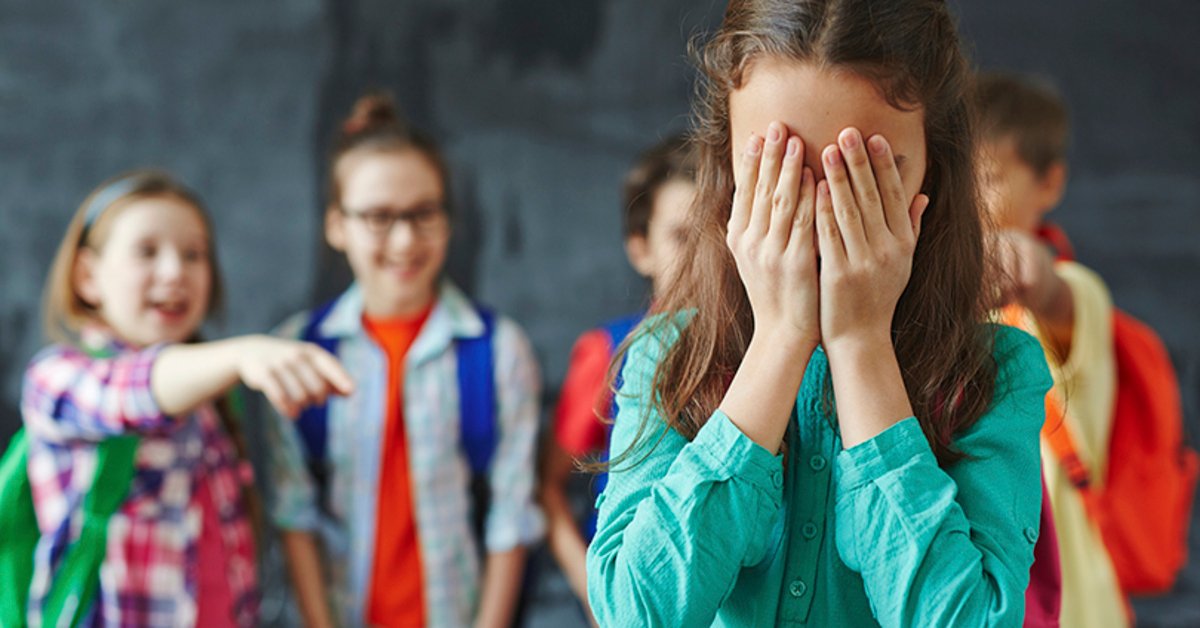
From the Targets to the Bullies
Bullying is something many people see around them, but not everyone understands what it really feels like. Sometimes it is easy to laugh and say, “It’s just a joke.” Maybe the person saying it thinks it is funny, and maybe everyone around them laughs too. But the person the joke is about may not be laughing. They may laugh along just so nobody notices that it hurt. They may stay quiet because they don’t want to make the situation bigger. And sometimes, they may simply not know what to say.
I think this is one of the biggest problems with bullying. We often look at what happened for a few seconds, but we don’t think about what happens afterwards.
Bullying is not always obvious. It can be someone repeatedly making fun of another person’s appearance, marks, voice, interests or mistakes. It can be leaving someone out on purpose, spreading a rumour, whispering about them, or making other people believe something without even knowing if it is true. One comment might seem small. But when the same thing keeps happening, it stops feeling small.
For example, imagine a student answering a question incorrectly in class. A few students laugh. The next day, someone brings it up again and everyone laughs. Then the student gets a nickname because of that one mistake. After some time, even students who were not there when it happened know about it. To the people making the jokes, it may just be something funny to talk about. But for that student, it can make them afraid of answering another question because they are wondering, “What if they laugh at me again?”
lt can happen online too. Someone might post a picture of another student in a group chat and add a funny caption. Other people send laughing emojis, and the person who posted it may think it is nothing serious. But the person in the picture might feel embarrassed. They might not say anything because they don’t want everyone to start talking about them even more. And once something is shared online, it can spread much further than the person who posted it expected.
Sometimes, the words aren’t even the worst part. It is what comes after them. People start making assumptions. Someone hears one side of a story and decides they know everything. A few people stop talking to someone because of something they heard. Others look at the person differently. Maybe nobody says anything directly, but the person notices the change.
We notice.
We notice the looks.
We notice the whispers.
We notice when conversations suddenly stop.
We notice when people choose a side without knowing the whole story.
And sometimes, we stay silent.
But silence does not always mean weakness.
Sometimes, staying silent is a choice. It can mean that a person has decided not to give someone the reaction they are looking for. It can mean they would rather spend their energy on their friends, their studies, their hobbies and their goals. It can mean they know that arguing with someone will not suddenly make that person understand.
Of course, this does not mean that people should stay silent when bullying becomes serious or when someone feels unsafe. Speaking to a parent, teacher or another trusted adult is not being weak or “complaining.” Sometimes asking for help is exactly what a person should do.
But there are also moments when walking away is the better choice.
A bully might think, “They didn’t say anything, so they don’t care.”
That isn’t necessarily true.
Maybe they cared a lot. Maybe they just didn’t want to give the situation more power.
And there is something else that I wish more people would think about. The person making the joke might forget it five minutes later. The people laughing might forget it by the end of the day. But the person who was targeted might remember it for much longer.
You might not remember what you said.
They might.
That doesn’t mean one comment has to control their whole life. It doesn’t mean they will always be hurt by it. People can move forward. They can become more confident. They can find people who support them. They can discover that one person’s opinion does not decide who they are.
In fact, sometimes the person who was targeted becomes stronger because they learn something important: they don’t have to prove themselves to everyone.
But I also don’t think every person who bullies someone is automatically a horrible person forever. People can make bad choices. Sometimes they do things because their friends are doing them. Sometimes they want attention. Sometimes they don’t realise how far their joke has gone. That doesn’t excuse bullying, but it does mean they can choose to stop.
They can think before speaking.
They can apologise.
They can include someone instead of leaving them out.
They can decide that being funny doesn’t have to mean making someone else the joke.
Real strength is not making another person feel small. It is being confident enough that you don’t need to do that.
And this is where I think everyone has a part to play. It isn’t only the bully and the target. The people watching also matter. Sometimes a person laughs because everyone else is laughing. Sometimes they stay quiet because they don’t want to become the next target. But even a small act can make a difference. Sitting with someone who has been left out, telling someone that a joke has gone too far, or simply not joining in can change a situation.
We cannot control everything people say about us. We cannot stop every rumour or every opinion. But we can decide how much power we give those things. We can decide who we listen to. And we can decide what kind of person we want to be.
So, before saying, “It’s just a joke,” stop for a second.
Ask yourself: Would I be okay if someone said this to me again and again?
If the answer is no, maybe it isn’t really a harmless joke.
Bullying will not disappear overnight. But that doesn’t mean we should stop trying to make things better. We can be more careful with our words. We can stop laughing when someone is clearly being hurt. We can question things before believing them. And we can remember that there is a real person behind every joke, rumour, photograph and comment.
To the bullies, I would simply say this: You don’t have to put someone down to make yourself feel important. You don’t have to make someone uncomfortable to make your friends laugh. And you don’t have to keep doing something just because
you have already started.
You can stop.
And to the targets, I would say this: Someone else’s words do not decide your worth. Being laughed at does not make you less capable.
Being left out does not mean you don’t belong. And asking for help does not make you weak.
Sometimes we speak.
Sometimes we walk away.
Sometimes we ask for help.
And sometimes, when we choose silence, it is because we know exactly where we want our energy to go.
We didn’t stay silent because we were weak. We stayed silent when we chose to because we knew some things were not worth our time, our energy, or the person we were becoming.
And maybe that is what both sides need to remember.
You don’t have to bring someone else down to rise yourself.
By Aanya Somani
Discover a world of wonderful children’s books at The Children’s Book Bin
About Author